
By Calli | Licensed Chiropractor & Esthetician | April 6, 2026
It was 2 a.m. in a tiny Airbnb in Lisbon, and I was curled on the bathroom floor shaking with a 102-degree fever, sweating through a shirt I had bought at a market in Alfama twelve hours earlier — back when I still felt invincible.
I had nothing. No ibuprofen. No acetaminophen. Not even a basic adhesive bandage. The nearest pharmacy — or farmacia, as I would soon learn — did not open until 9 a.m., and the emergency “on-call” pharmacy was a 40-minute cab ride across the city. I spent seven miserable hours shivering before I could get a single blister pack of paracetamol. The pharmacist charged me nearly triple what it would have cost at home, and I paid it gratefully because by then I could barely stand. That night changed the way I travel permanently. As a chiropractor, I spend every single day counseling patients about prevention — yet I had completely neglected the most basic prevention of all: packing a simple travel medicine kit.
Since that trip, I have traveled to over a dozen countries and I have never left without my personal first-aid pouch. I have used nearly every item in it at least once — sometimes for myself, sometimes for a travel companion who also assumed they could “just buy it there.” Spoiler: you often cannot, or you cannot read the label, or the dosage is different, or the pharmacy is closed on a national holiday you did not know existed. And if you end up in an emergency room abroad? A single ER visit for something as simple as traveler’s diarrhea can cost anywhere from $300 to $3,000 depending on the country, your insurance, and whether you need IV fluids. That is money better spent on literally anything else.
“Dr. Calli, I spent two full days of my honeymoon in a Cancun hotel room because I ate something that wrecked my stomach and we had zero medications with us. Two days of a trip I will never get back.”
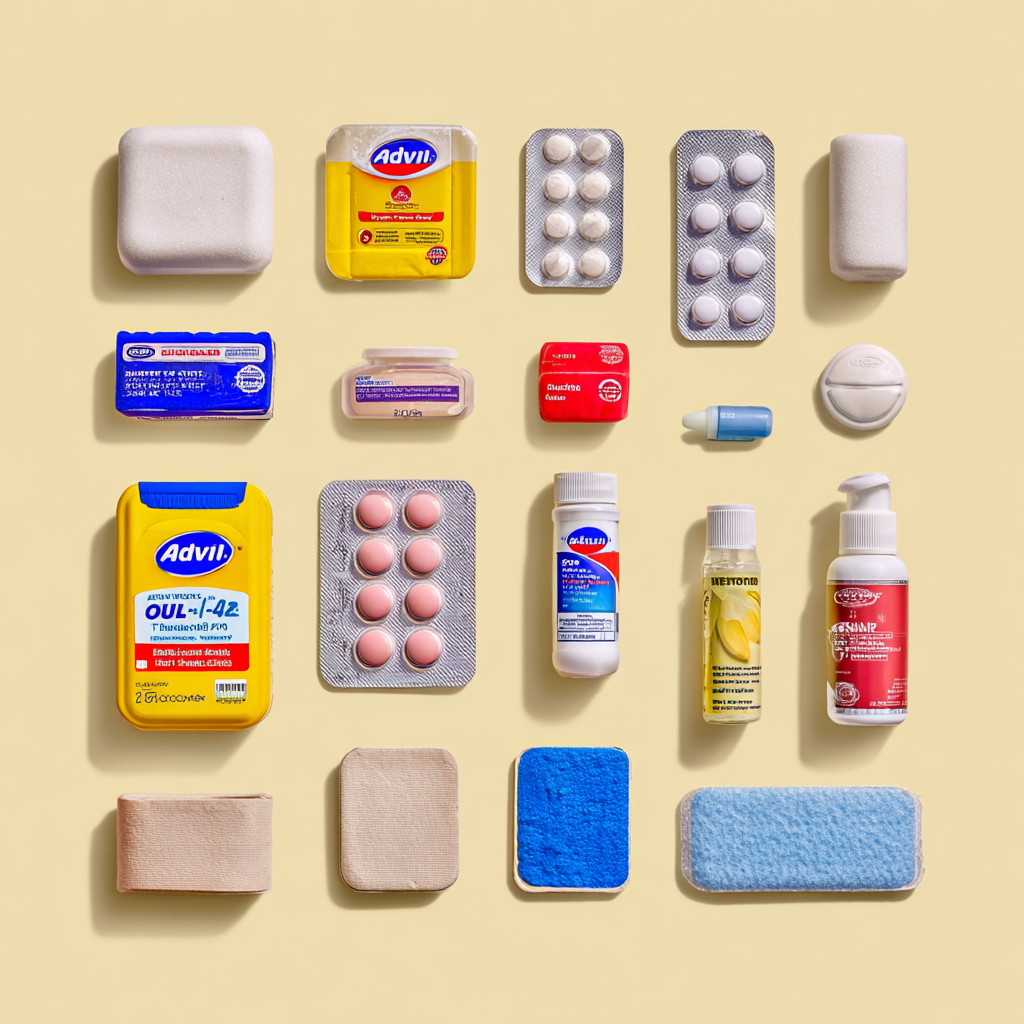
That was a patient of mine in my LA clinic, and her story is heartbreakingly common. Below, I am breaking down the exact seven medication categories I pack every single time I leave the country — with clinical reasoning for each one, not just a vague “bring some Tylenol” suggestion. Use the quick-reference table first, then read the detailed sections for dosage tips and my specific product picks.
Here is a scannable overview of every category so you can screenshot this table right now and start packing:
| Category | Examples | Why You Need It |
|---|---|---|
| Fever / Pain Relief | Acetaminophen, Ibuprofen | Fevers spike fast abroad; pharmacies may be closed or far away |
| Digestive / Anti-Diarrheal | Loperamide, Bismuth Subsalicylate, Electrolytes | Traveler’s diarrhea affects up to 40-60% of travelers to developing regions |
| Cold and Flu Medicine | Multi-symptom daytime/nighttime combo | Recirculated airplane air and sleep disruption suppress immunity |
| Wound Care / Bandages | Adhesive bandages, gauze, antiseptic wipes | Cuts and scrapes in tropical or humid climates infect rapidly |
| Motion Sickness Relief | Meclizine, Dramamine, Sea-Bands | Boats, winding roads, and turbulent flights can strike without warning |
| Allergy Medicine | Cetirizine, Loratadine, Diphenhydramine | New environments expose you to allergens your body has never encountered |
| Antibiotic Ointment | Bacitracin, Neosporin | Prevents minor wounds from becoming serious infections far from medical care |
IN THIS GUIDE
1. Fever Reducer and Pain Reliever
Why This Is Non-Negotiable
A fever is your immune system’s alarm signal — your hypothalamus (the brain’s internal thermostat) deliberately raises your core temperature to make your body a less hospitable environment for pathogens. That is a good thing in moderation. But when you are abroad, dehydrated from travel, and potentially hours from a hospital, an unmanaged fever above 101.3 degrees Fahrenheit can cascade into dangerous territory fast: dizziness, confusion, even febrile seizures in rare cases. Having a fever reducer on hand is the difference between managing symptoms calmly in your hotel and ending up in a foreign ER at 3 a.m.
What I Pack and Why
I carry both acetaminophen (brand name Tylenol) and ibuprofen (brand name Advil). They work through completely different mechanisms — acetaminophen acts centrally in the brain to reduce pain signaling, while ibuprofen is an NSAID (non-steroidal anti-inflammatory drug) that reduces inflammation at the tissue level. This means you can actually alternate them safely for more effective fever and pain control, which is a strategy I frequently recommend to patients dealing with post-flight body aches and headaches.
- Acetaminophen (500mg tablets): Gentler on the stomach, making it ideal when you have not eaten properly — common on long travel days
- Ibuprofen (200mg tablets): Superior for inflammatory pain like swollen joints from sitting in a cramped economy seat for 10 hours, or muscle soreness from carrying heavy luggage through cobblestone streets
- Travel pack quantity: I bring at least 20 tablets of each for a 7-14 day trip — they weigh next to nothing and I would rather have extras than run out
Calli’s Tip
Never take ibuprofen on a completely empty stomach — the prostaglandin inhibition that makes it effective at reducing inflammation also reduces the protective mucus lining of your stomach, which can trigger nausea or even gastric bleeding. If you cannot eat, reach for acetaminophen instead. And always stay hydrated; a fever plus dehydration plus altitude (hello, airplane cabins pressurized to 6,000-8,000 feet) is a recipe for a terrible time.
💙 Calli’s Pick · Fever and Pain Relief
Advil Dual Action (Acetaminophen + Ibuprofen)
Combines both mechanisms in one tablet · Travel-friendly blister packs · Clinically effective dual-action relief
This is the single product I reach for first when a fever hits abroad — it covers both pathways without carrying two separate bottles.
2. Anti-Diarrheal and Digestive Aid
The Real Risk of Traveler’s Diarrhea
Traveler’s diarrhea is not some rare tropical disease — it is the single most common travel-related illness, affecting anywhere from 30 to 70 percent of travelers depending on the destination. The culprit is usually enterotoxigenic E. coli (ETEC), a bacteria your gut simply has not encountered before. Your intestinal flora — the trillions of microorganisms that help digest food — are adapted to your home environment. When you introduce entirely new bacterial strains through unfamiliar water, street food, or even ice cubes made from tap water, your gut essentially panics. The result is urgent, watery diarrhea that can produce staggering fluid loss — up to a liter per hour in severe cases.
My Three-Part Digestive Kit
- Loperamide (Imodium, 2mg capsules): Works by slowing intestinal peristalsis — the wave-like muscle contractions that move food through your gut. This buys you time to get to a safe bathroom or a doctor without losing dangerous amounts of fluid. I pack at least 12 capsules.
- Bismuth subsalicylate (Pepto-Bismol chewable tablets): Has mild antibacterial properties and coats the stomach lining. The chewable tablets are far more practical than the liquid bottle, which inevitably leaks in your bag.
- Oral electrolyte packets: When you are losing fluid rapidly, water alone is not enough — you need sodium, potassium, and glucose in the right ratio to trigger your intestinal cotransporter, which is the cellular mechanism that actually pulls water back into your body. Plain water without electrolytes can dilute your blood sodium dangerously.
Calli’s Tip
If you see blood in your stool or your diarrhea lasts more than 48 hours even with loperamide, stop the loperamide and seek medical care immediately. In cases of dysentery (bacterial invasion of the intestinal wall), slowing gut motility can actually trap the pathogen and make things worse. Loperamide is a bridge, not a cure.
💙 Calli’s Pick · Digestive Emergency Kit
Imodium Multi-Symptom Relief
Loperamide + simethicone for diarrhea and gas · Caplet form for easy packing · Works within one hour
This combination formula handles both the diarrhea and the painful bloating that usually comes with it — two symptoms, one caplet.
3. Cold and Flu Medicine
Why Travelers Get Sick So Easily
Airplane cabins are a perfect storm for upper respiratory infections. The recirculated air has a humidity level of about 10-20 percent — drier than most deserts — which dries out your nasal mucosa (the moist lining inside your nose that serves as your first physical barrier against airborne pathogens). Combine that with sleep deprivation, jet lag suppressing your circadian-regulated immune response, and the stress hormone cortisol that surges during travel, and your immune system is functionally weakened before you even land. I have had more colds start on day two of a trip than I can count.
What To Look For in a Travel Cold Medicine
You want a multi-symptom formula that addresses congestion, body aches, sore throat, and cough in a single dose. I specifically look for a product that includes a decongestant (phenylephrine or pseudoephedrine), a pain reliever/fever reducer, and a cough suppressant like dextromethorphan. The daytime/nighttime combination packs are ideal because the nighttime formula adds an antihistamine component (usually doxylamine) that helps you actually sleep — and sleep is the single most powerful immune system repair tool your body has.
- Daytime formula: Keeps you functional without drowsiness so you can still navigate airports, deal with customs, or simply enjoy part of your trip
- Nighttime formula: The sedating antihistamine component ensures you get restorative sleep even when congested and coughing, which is clinically the fastest route to recovery
- Pack quantity: At least 6 daytime and 6 nighttime doses — a cold typically lasts 7-10 days and having medicine for the first critical days is essential
Calli’s Tip
Be careful about ingredient overlap. Many cold medicines already contain acetaminophen. If you are alternating with your separate pain reliever, you could accidentally exceed 3,000-4,000mg of acetaminophen per day — the threshold where liver toxicity becomes a real risk. Always read the active ingredient panel, not just the brand name on the front.
💙 Calli’s Pick · Cold and Flu Relief
DayQuil/NyQuil Combo Pack
Day and night coverage in one box · LiquiCaps dissolve fast · Multi-symptom formula
The combo pack is my go-to because it fits perfectly in a toiletry bag and covers every cold symptom around the clock.
4. Wound Care and Bandages
Small Cuts Can Become Big Problems Abroad
In my clinic in LA, I see patients who came back from tropical vacations with what started as a tiny scrape from a coral reef, a blister from new sandals, or a nick from an uneven cobblestone street — and it had become a full-blown infected wound by the time they flew home. Here is the clinical reality: in warm, humid environments, bacteria multiply exponentially faster. A wound that would scab and heal uneventfully in dry Los Angeles air can become red, swollen, and oozing pus within 24-48 hours in Southeast Asia or the Caribbean. Staphylococcus aureus and Streptococcus bacteria thrive in tropical humidity, and if you do not have basic wound care supplies, a minor cut can escalate into cellulitis (a spreading skin infection) that requires oral or even IV antibiotics.
What Your Travel Wound Kit Needs
- Antiseptic wipes (individually wrapped): Alcohol or benzalkonium chloride-based wipes kill surface bacteria immediately. Individually wrapped packets stay sterile and take up almost no space
- Variety-pack adhesive bandages: You need multiple sizes because travel injuries are unpredictable — a blister on the heel needs a different bandage than a cut on the knuckle
- Sterile gauze pads and medical tape: For anything too large for a standard bandage, gauze plus tape creates a breathable, protective barrier that you can change twice daily
- Butterfly closures (Steri-Strips): These are essentially mini wound-closure strips that hold deeper cuts together without stitches — invaluable when you are hours from medical care and need to control a gash that keeps opening
Calli’s Tip
Clean a wound before you cover it — always. I know it seems obvious, but in a travel panic people slap a bandage on a dirty cut and call it done. Rinse the wound with clean bottled water first if you do not have antiseptic wipes. Trapping dirt and bacteria under a bandage creates an anaerobic environment (low oxygen) that actually accelerates infection rather than preventing it.
💙 Calli’s Pick · Wound Care Kit
Band-Aid Travel Ready Portable First Aid Kit
Compact zip case with assorted bandages · Includes gauze and antiseptic · TSA-friendly size
This pre-packed kit saves you from assembling everything individually and fits in any carry-on pocket.
5. Motion Sickness Relief
The Neuroscience Behind Motion Sickness
Motion sickness is a sensory conflict disorder. Your vestibular system (the balance center in your inner ear) detects motion, but your visual system — especially if you are looking at a phone screen or a book — tells your brain you are stationary. This mismatch triggers your area postrema, a part of your brainstem that acts as a “toxin detector.” Your brain essentially concludes that the conflicting signals mean you must have ingested something poisonous, and responds with nausea and vomiting to expel the perceived toxin. It is a survival mechanism gone haywire in the modern travel context.
What makes this particularly dangerous while traveling is that you often cannot avoid the triggers. Winding mountain roads in Amalfi, small ferry boats in Greece, turbulent bush plane flights in remote areas — these are not situations where you can simply “look at the horizon and breathe.” You need pharmacological backup.
Effective Options for Different Scenarios
- Meclizine (Bonine, 25mg): Less sedating than dimenhydrinate, making it my first choice for daytime use when you need to remain alert and functional. It works by blocking histamine H1 receptors in the vomiting center of the brain
- Dimenhydrinate (Dramamine, 50mg): More sedating but also more potent for severe motion sickness. Ideal for overnight ferries or long turbulent flights where you plan to sleep anyway
- Acupressure wristbands (Sea-Bands): These apply pressure to the Nei-Guan point (P6 acupressure point on the inner wrist). As a chiropractor, I appreciate the non-pharmaceutical option — clinical trials show they can reduce nausea by up to 30 percent, and they have zero side effects, making them a great complement to medication
Calli’s Tip
Take motion sickness medication 30-60 minutes BEFORE the activity, not once you already feel nauseous. Once the nausea cascade has started in your brainstem, oral medication takes much longer to work and you may vomit it up before it absorbs. Prevention beats treatment every time with motion sickness. I learned this the hard way on a boat in Santorini.
6. Allergy Medicine (Antihistamine)
New Environments Mean New Allergens
Your immune system keeps a detailed memory bank of every substance it has encountered. When you travel to a new country, you are suddenly inhaling pollen species, mold spores, and dust mite variants your body has literally never processed before. Your mast cells — the immune cells that release histamine — may overreact to these novel proteins, triggering sneezing, nasal congestion, watery eyes, and in some cases, hives or swelling. I have had patients who “never had allergies” suddenly develop them on day two in Bali or Tokyo because the local flora was entirely foreign to their immune memory.
Beyond environmental allergens, food allergies and unexpected ingredient exposures are a genuine risk abroad. You may not be able to read every label or communicate every allergy to a street food vendor. Having an antihistamine on hand can be the difference between mild discomfort and a trip to the emergency room.
Which Antihistamine for Which Situation
- Cetirizine (Zyrtec, 10mg) — daily prevention: A second-generation antihistamine that lasts 24 hours with minimal drowsiness. I take one daily starting the day before I arrive in a new climate zone and continue throughout the trip
- Diphenhydramine (Benadryl, 25mg) — emergency response: A first-generation antihistamine that is significantly more sedating but also more powerful for acute allergic reactions like hives, facial swelling, or widespread itching. This is my “break glass in case of emergency” medication. It works within 15-30 minutes
- Important distinction: If you have a known severe allergy (anaphylaxis risk), an antihistamine alone is NOT sufficient — you need a prescribed epinephrine auto-injector (EpiPen). Antihistamines cannot reverse anaphylaxis. Consult your doctor before traveling if you carry an EpiPe
Calli’s Tip
Diphenhydramine doubles as a sleep aid — and that is both a benefit and a risk. On a long overnight flight, it can help you sleep. But if you take it before a day of sightseeing, you may feel foggy and uncoordinated for hours. I keep cetirizine in my daily pill organizer and reserve diphenhydramine for nighttime or true allergic emergencies only.
7. Antibiotic Ointment
The Invisible Layer Between You and Infection
Topical antibiotic ointment is the unsung hero of any travel first-aid kit. After you have cleaned a wound and before you cover it with a bandage, a thin layer of antibiotic ointment creates a chemical barrier that actively kills bacteria on the wound surface. The two most common options — bacitracin and neomycin/polymyxin B/bacitracin (Neosporin) — work by disrupting bacterial cell wall synthesis, which means they stop bacteria from reproducing directly at the wound site. For travelers, this is critical because you are constantly touching new surfaces (handrails, currency, market goods, taxi door handles) and then inadvertently touching a cut or scrape.
When and How To Apply
Apply a thin layer — not a thick glob — to any break in the skin after cleaning, then cover with a bandage. Reapply every time you change the bandage, ideally twice daily. The single-use foil packets are far superior to carrying a full tube for travel because they are individually sealed (sterile until opened), take up almost no space, and you will not lose a half-used tube leaking in your bag. I toss about 10-12 packets into my kit for a two-week trip.
- Minor cuts, scrapes, and blisters: Apply after cleaning, before bandaging — standard wound protocol
- Insect bites you have scratched open: An open bite is an open wound, and in tropical regions, secondary infection of bug bites is extremely common
- Small burns from cooking or sun: After cooling a minor burn with cool water for 10-15 minutes, a layer of ointment under a non-stick gauze pad prevents bacterial colonization during the healing phase
Calli’s Tip
If you know you have a neomycin allergy (about 6-8 percent of the population does — it causes contact dermatitis, a red itchy rash around the wound), skip Neosporin and use plain bacitracin ointment instead. Bacitracin alone is effective and carries a much lower allergy risk. I learned this from a patient who applied Neosporin to a scraped knee in Thailand and ended up with a worse rash from the ointment than from the original injury.
💙 Calli’s Pick · Antibiotic Ointment
Neosporin Original First Aid Antibiotic Ointment
Triple antibiotic formula · Available in single-use packets · Trusted for over 40 years
I have used this on everything from coral scrapes to cooking burns abroad — it is the gold standard for a reason.
Your Complete Travel Medicine Kit Checklist
- 👉 Advil Dual Action — Fever and pain relief with dual-mechanism coverage
- 👉 Imodium Multi-Symptom Relief — Stops traveler’s diarrhea and bloating fast
- 👉 DayQuil/NyQuil Combo Pack — Around-the-clock cold and flu symptom management
- 👉 Band-Aid Travel Ready First Aid Kit — Compact wound care with assorted bandages and antiseptic
- 👉 Bonine Motion Sickness Patch— Non-drowsy motion sickness prevention for boats, planes, and winding roads
- 👉 Zyrtec 24 Hour Allergy Tablets — Daily protection against new environmental allergens abroad
- 👉 Neosporin Original Ointment — Triple antibiotic protection for every cut, scrape, and bite
Coming Up Next on CalliGlowAlign
The Frequent Traveler Packing Hacks You Have Never Seen Before
After 50+ trips, I have tested every folding trick, compression hack, and carry-on strategy out there. Next up, I am sharing the unconventional methods that actually save space and keep your bags organized — including the one technique that eliminated my checked luggage entirely.
👉 Bookmark this page or subscribe to be notified when it goes live.
Every single one of these seven categories has personally saved me — or someone traveling with me — from a ruined day, a panicked pharmacy hunt, or an expensive and terrifying medical visit in a foreign country. Your travel medicine kit does not need to be big. Mine fits inside a single quart-sized ziplock bag and weighs less than half a pound. But the peace of mind it gives me is immeasurable. Pack it once. Restock it before every trip. And never assume you can buy what you need when you need it, because the moment you are feverish, nauseous, or bleeding in an unfamiliar place, the last thing you want to do is navigate a foreign healthcare system unprepared.
Travel boldly. But travel prepared.
— Calli
DC, LE | Licensed Chiropractor & Esthetician | Helping you glow from the inside out, align from the spine down, and travel smarter everywhere in between.
Disclaimer: This content is for educational purposes only and does not constitute medical advice. I am a licensed chiropractor and esthetician, not a medical doctor. Always consult a qualified healthcare provider before ordering lab tests or making changes to your supplement routine.
This post contains affiliate links. I earn a small commission from qualifying purchases at no additional cost to you. All products featured are ones I personally use and clinically recommend. My opinions are always entirely my own.
Related Articles